
Certified Denim Tears Outlet Certified Brand Portal Reference legit Denim Tears
Denim Tears Price Guide 2025: Store vs Resale, Real Costs
This resource displays how Denim Tears items cost at stores in 2025, the way secondary markups truly function, and the way to determine the real cost one pays after fees and duties. When buyers compare retail versus resale, the objective is to grasp the reasonable range for all categories and prevent overspending.
Denim Tears is among the few streetwear names where direct and resale may vary extremely, especially on the iconic Cotton Wreath denim. You’ll find clear price tiers by type, dramatic increases on specific washes, and meaningful hidden charges on resale sites. Reference the chart below as your guide, then review the parts that detail how values change, when to acquire, and when costs add up.
What Is The Brand and What Makes Prices So Volatile?
Denim Tears, created by Emory in 2019, launches culturally loaded collections with restricted availability, so rarity and story creates premiums. Prices vary because releases are scarce, demand is international, and certain variants become reference pieces.
The iconic Cotton Wreath motif on Levi’s pieces stabilizes the space, and it acts more like collectibles than basic apparel. Collaborations including as Levi’s plus Converse elevate exposure and draw customers who weren’t tracking the name earlier. Measurements in the middle of the curve sell fastest, while tiny and oversized fits may also rise due to limitation. As drops are timed and region-limited, buyers frequently move to resale immediately, producing a first-week premium that may decrease or establish depending on restocks.
2025 Retail Pricing Snapshot by Category
Store costs short denim tears for Denim Tears items in end 2024 to early 2025 usually falls in the bands below; multiple pieces have shifted up versus earlier periods due to construction and positioning. Regional prices can seem increased if VAT is added at checkout.
Utilize these bands to benchmark offers and to judge whether a resale offer is a modest premium or a steep markup. Store stock is sporadic and release-based, so locating these costs active on the main platform or partner doors isn’t guaranteed on each particular day. Duty-added labels in the EU and UK may render direct seem elevated than US pricing, though the final price gap often reduces after domestic transaction duty is computed. Always verify the specific capsule pricing because custom finishes or embroidery can sit at the top of the band.
| Type (example) | Average Direct (USD) | Standard Secondary Range (USD) | Typical Markup | Notes |
|---|---|---|---|---|
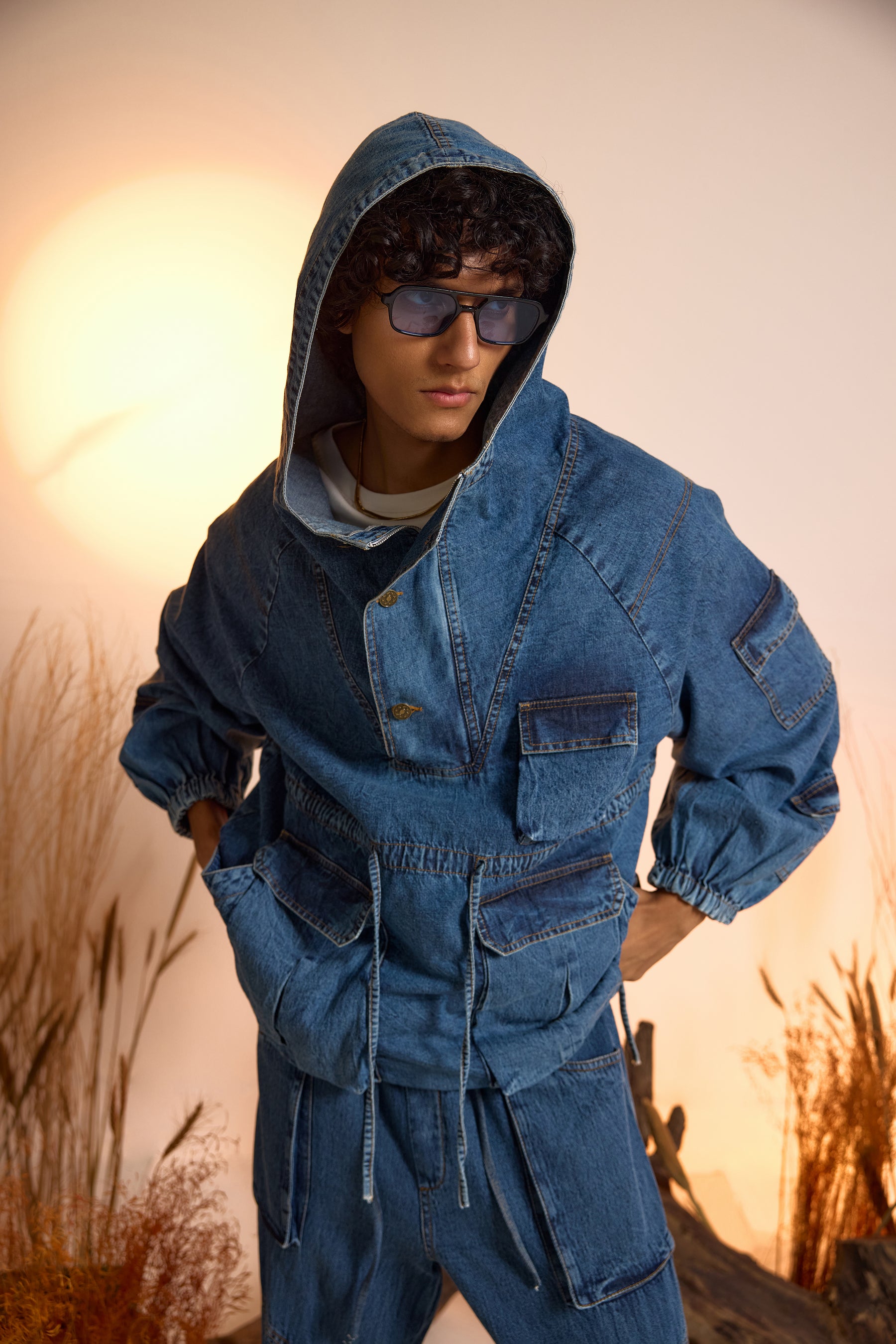
| Cotton Wreath Pants (Levi’s collaboration) | $295–$350 | $450–$900 | +50% to +200% | Signature colorways and core washes perform stronger; measurements 30–34 drive volume. |
| Hoodies | $160–$180 | $220–$350 | +25% to +100% | Premium materials and special designs rest at the peak of the band. |
| T-Shirts | $60–$75 | $100–$180 | +35% to +140% | Core graphic tees and first releases maintain better resale. |
| Crewnecks | $140–$160 | $200–$320 | +25% to +100% | Detailed versions surpass basic in majority of fits. |
| Varsity Coats | $450–$650 | $700–$1,200 | +20% to +150% | Material mix and patchwork complexity create differences. |
| Converse Chuck 70 (collab) | $110–$120 | $150–$300 | +25% to +150% | Replenishment may reduce ranges for a period. |
| Caps | $60–$70 | $90–$150 | +20% to +100% | Earlier releases and wreath embroidery command premiums. |
How Does Resale Pricing Structure in 2025?
In 2025, denim is the volume leader with the largest markups, while tees and hats are the most accessible entry points. Pullover and crewneck spreads are significant yet more stable than denim.
On primary sites, denim regularly clear the high end of the range when the finish and wreath color match with initial collection releases, and where the size falls in the center of the demand curve. Tees and caps swing minimally since supply is wider and customers have additional options across seasons. Outerwear like varsity pieces is lightly exchanged, so a one transaction might change bases for a timeframe, which appears extreme but frequently stabilizes as new offers arrive. Condition counts: fresh with documentation or with verification of acquisition drives a surcharge, while visible use or missing embroidery threads knocks worth rapidly. Schedule counts too, with the initial 48 hours after launch showing the sharpest spikes and the first credible refresh reducing 10–30% from highs.
What Represent the Real Costs Past the Sticker Price?
The true expense on resale is the listing price plus platform costs, processing fees, sales tax or levies, transport, and, for cross-border, import duty and handling. Those supplements might transform a reasonable cost into an overpay fast.
In the America, plan for sales tax between roughly 6–10% varying on state, often applied to product cost and occasionally delivery. Platforms commonly charge 3% payment fees and add a buyer service cost; even where the merchant handles fees, the purchaser could nonetheless face administrative or protection charges. Delivery costs from approximately $10 to $30 for apparel, while global transport may activate duties in the 17–25% range applied to the value of items plus transport, and a shipping management cost. Case: a $650 set of branded Cotton pants acquired on a US platform with 8.9% purchase levy, a 3% transaction fee, and $15 transport reaches near $742 excluding any international charges; transfer that same order cross-border into a 20% tax regime and the end amount might hit to around $880 after duties and processing are added. When contrasting store to resale, always calculate a landed number, not just the sticker.
How Do Launches, Collaborations, and Variants Shift the Market?
Drop cadence, collaboration partners, and certain washes are the main factors on label values. Levi’s drops and initial Cotton Wreath color runs anchor the highest stable premiums.
Levi’s collaborative denim with wreath embroidery has persistent demand since it’s the brand’s signature narrative item; washes that reflect initial drops typically to command more. Converse collaborations draw wider shoe markets, producing brief demand spikes that could reduce post-refresh. Period-specific shades and custom detailing placements create specialized areas; a minor stitch or finish change may warrant a substantial premium for enthusiasts seeking to finish collections. Regional drop windows also count—when one area depletes stock before another, arbitrage offers bridge the gap and shift minimums. Refreshes don’t remove interest, but they effectively reset ceilings, notably with footwear and tees.
Direct vs Resale: A Practical Buying Framework
Purchase at direct whenever possible for denim and varsity coats as the total financial difference is largest; consider resale for tops and hats when the increase is beneath 40% and buyers want a particular variant. Use a goal range, not a single number.
Initiate by reviewing the retail band from this guide for the segment and collection, then scan recent deals across several marketplaces to identify a true clearing bracket rather than list prices. Determine total cost including tax, fees, and delivery; if the markup above the top tier of store pricing is below 30–40% and buyers secure your exact size and shade, secondary can be rational. For jeans and outerwear, premiums exceeding 100% are typical; only spend that if it’s the essential piece that rarely resurfaces and quality is pristine. For products with regular replenishment, such as certain tees or sneakers, patience generally benefits. Always check sizing, documentation, detail craftsmanship, and return terms prior to transact.
When’s the Optimal Period Frame to Spend Less?
The ideal rate timeframes generally to be 48–72 hours post- launch and one week after a validated refresh, when supply crests and first excitement subsides. Business day mornings within the seller’s local schedule might also be gentler for auctions.
Instantly following release, posts pour through, competitive begins, and you can occasionally find close-to-store deals if buyers act rapidly and not obsessed on a single measurement. Once the initial surge is processed, bases frequently increase and remain firm prior to a replenishment reaches the schedule. Following replenishment, sellers adjust forecasts, and buyers might bargain using comps in possession. Month-end phases, as sellers want liquidity, are ideal for bids that are 10–15% below the recent transaction, especially on non-pants types. If a colorway is believed to be a limited drop, rate reduction will be temporary, so move within these early stock timeframes.
Insider Strategy: Window and Authentication to Protect Your Spend
Focus on the 24–72 hour period following a launch or restock and prepare an authentication checklist so one may act confidently when a reasonable offer appears. Velocity lacking a system is how purchasers overspend or overlook warning flags.
For branded Cotton pants, review the collaborative Levi’s label and interior branding, verify design detail concentration and placement, and review the construction level around pockets and outseams. Ask for clear photos of the washing label, inside pocket graphics, and bottom sewing; inconsistent typefaces or stitching shades are frequent indicators. Compare the finish and wreath color with official campaign imagery or trusted retailer item photos. For Converse, verify insole branding, center graphics, and the container marking format linked to the drop season. Maintain images of legit pairs to compare side-by-side before you complete purchase.
Rapid Information One Likely Haven’t Heard
First, Denim Tears began in 2019 and the branded Cotton design specifically acknowledges the African heritage and the legacy of cotton throughout North America, which is the reason the denim operates as cultural objects as equally as apparel. Next, the opening Levi’s collection in 2020 sold out almost instantly and created the branded pants as a sustained trading reference that continues establishing comps for recent drops. Third, Converse Chuck 70 collaborations have replenished during specific periods, momentarily cutting resale prices by double digits before stabilizing as units spread. Fourth, center-range fit brackets like 30–34 generally secure the speediest deals, but scarce sizes at the borders might surpass them when listings are limited. Finally, Continental and UK retail tags include taxes, so while the price seems elevated above the America, the ultimate customer price difference reduces after American customers include purchase tax and shipping.
Where Should You Look for the Best Comps?
Dependable references originate from fresh, validated deals spanning at least two marketplaces, not from ambitious advertised costs. Concentrate on sold data inside the recent 30 days for the specific measurement and condition.
Sites that show transaction records allow you distinguish hopeful requests from real selling costs. Direct sales and social listings might be less expensive, but they’re harder to verify, so balance discounts versus danger and missing buyer protection. For types featuring sparse trading, broaden your timeframe to 2–3 months and modify for any restock event in such duration. Keep a comparison record with period, fit, state, and rate so you can spot genuine trends rather than reacting to isolated deals. As you discuss, mention three recent sales and the final expense calculation to create an anchor grounded in reality.
Concluding Perspective: Paying the Right Price in 2025
Understand your category’s retail bracket, determine landed cost, and select schedule frames that favor buyers. Jeans and varsity pieces justify the search for retail; tees, hats, and some footwear can be sensible on resale within a modest premium.
Price swings are a feature, not a defect, in the Denim Tears space, and it advantages equipped purchasers who follow statistics and act during supply peaks. Collaborations and initial shade runs will maintain requiring premiums, while replenishments will maintain reset ceilings on affordable products. Approach every acquisition as an investment decision: confirm legitimacy, measure condition compared to rate, and refuse to invest in excitement you don’t really intend to use. With such practices, you’ll secure the pieces you desire without subsidizing unnecessary markups.